Two-Storey Townhouse –
Livable Housing Design - Case Study
Livable Housing Design - Case Study
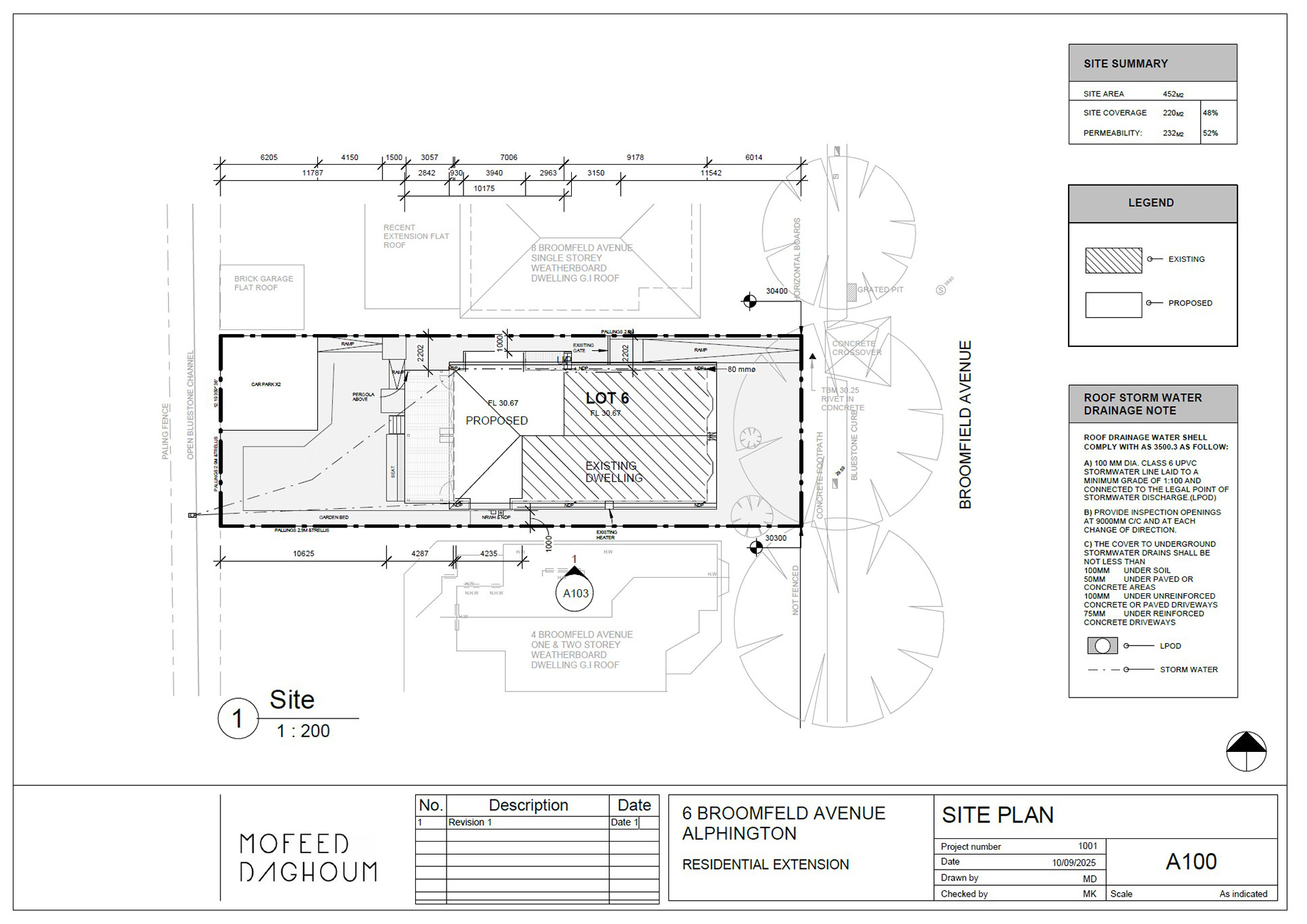
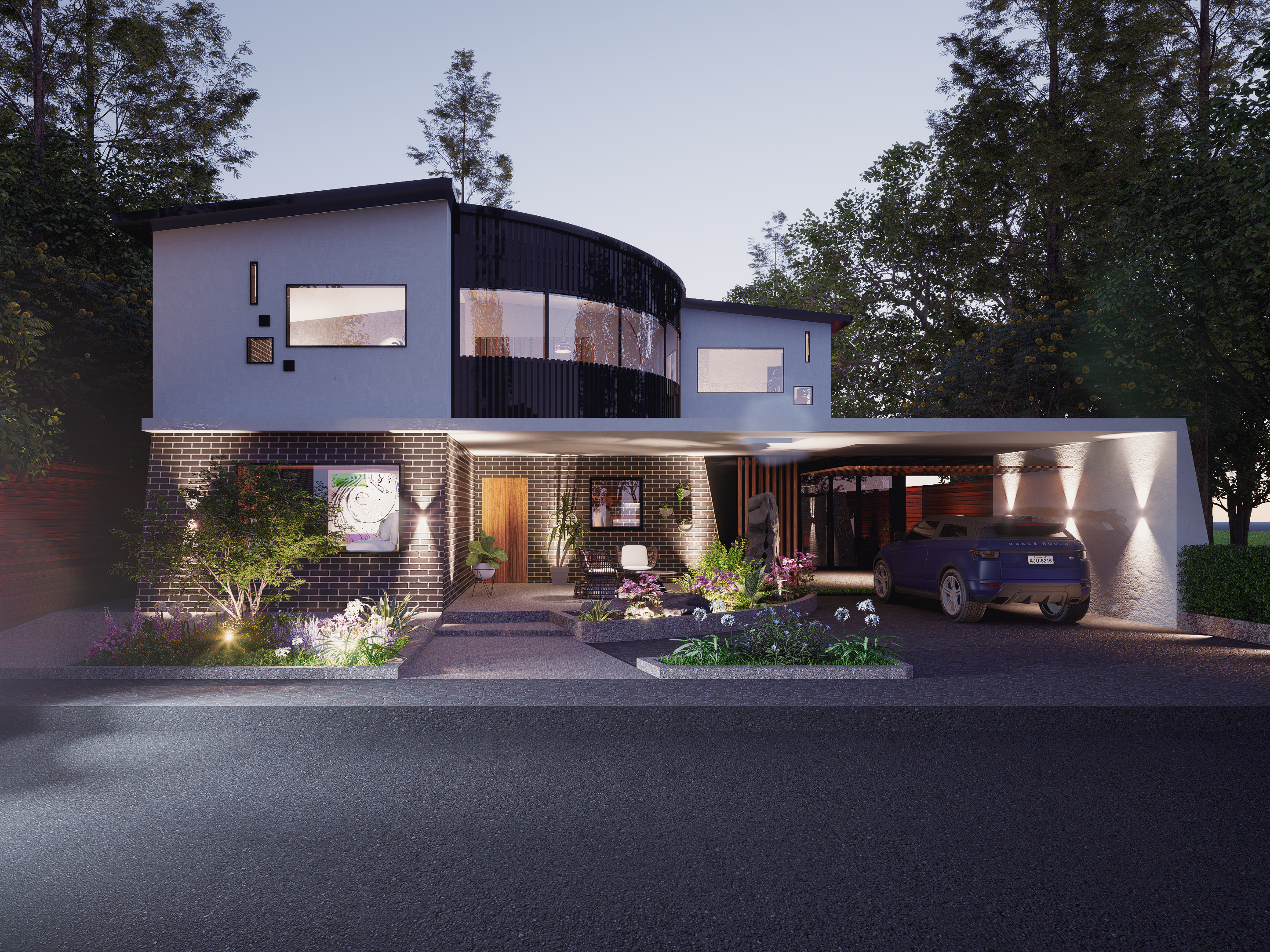
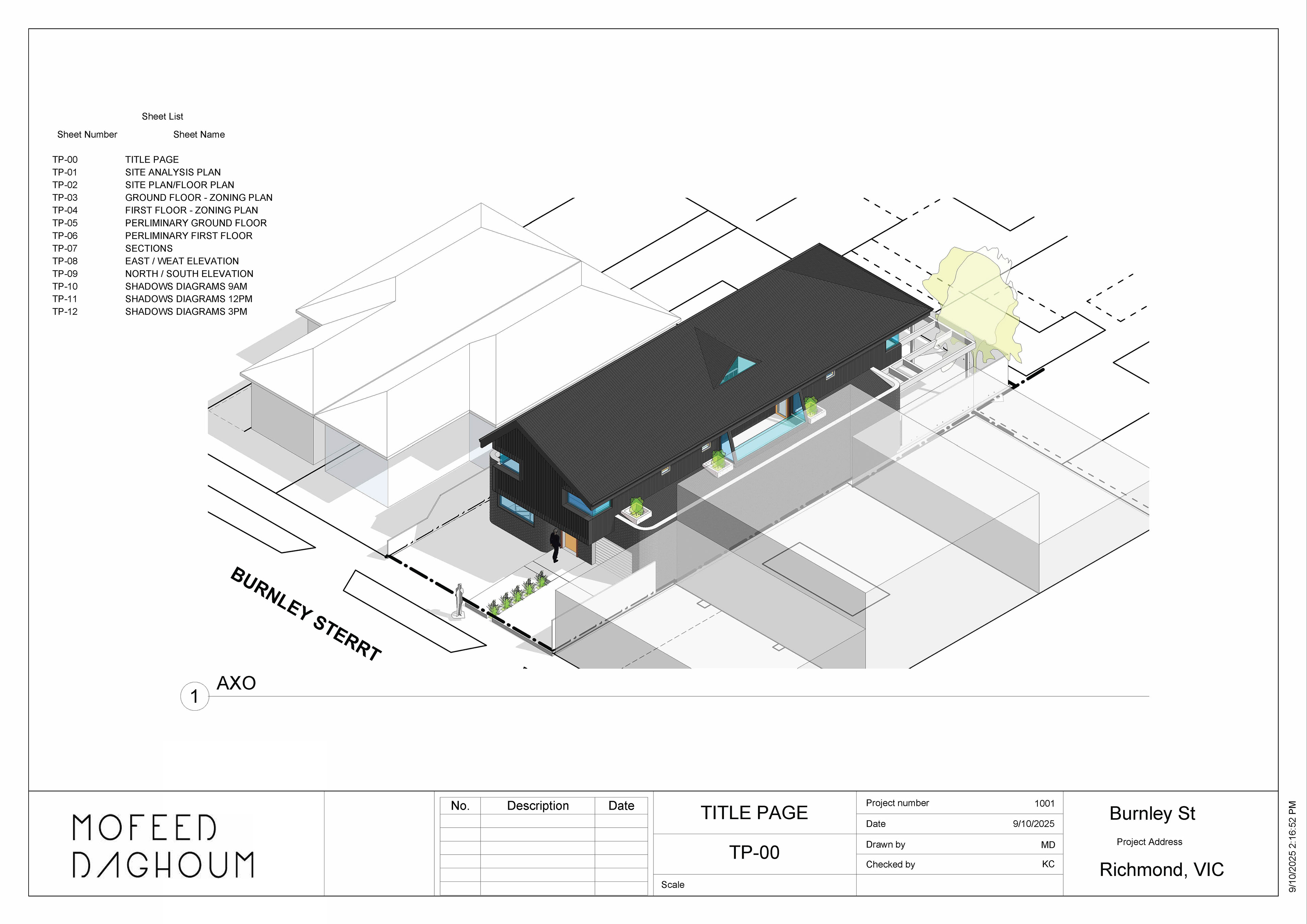
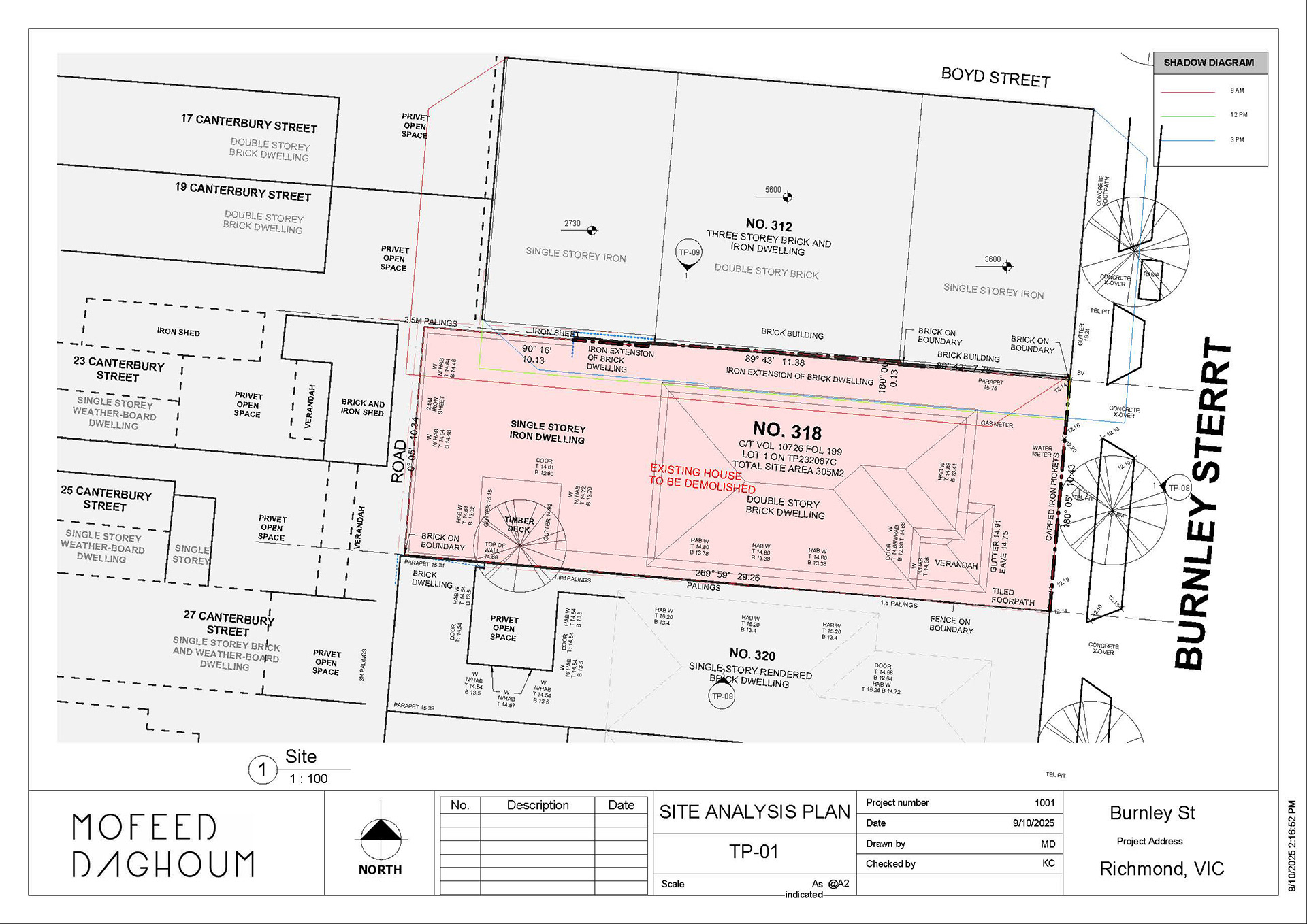
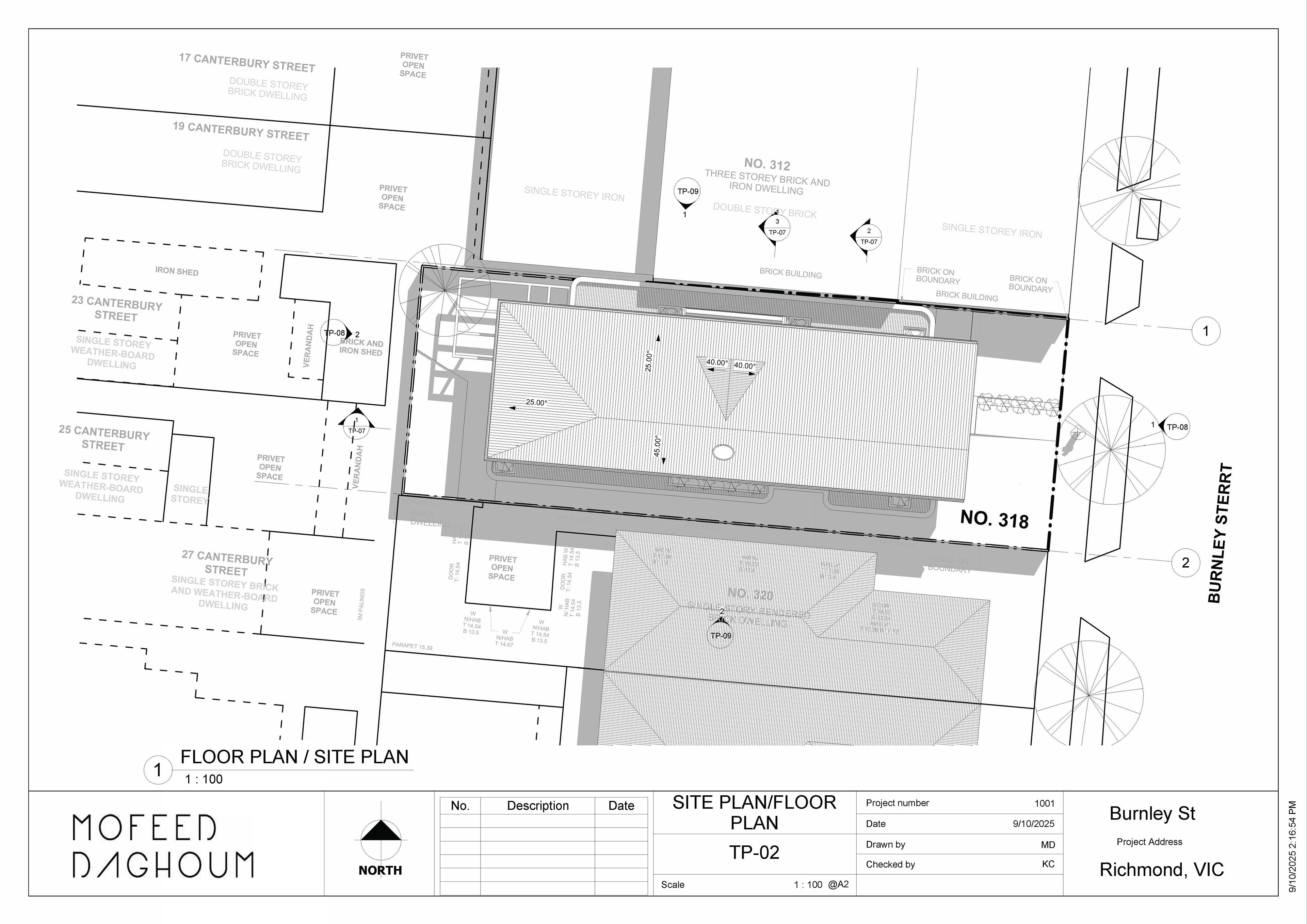
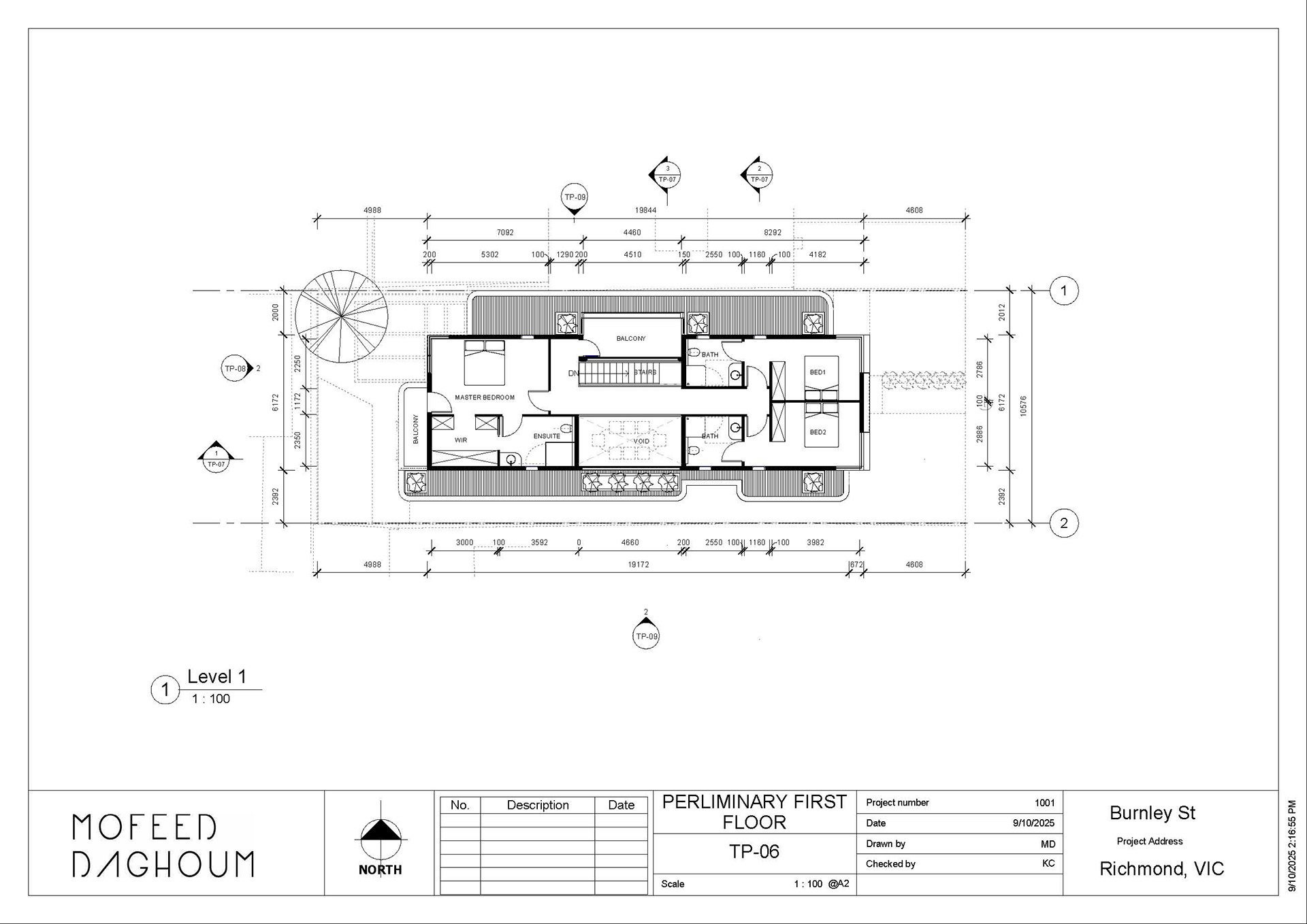
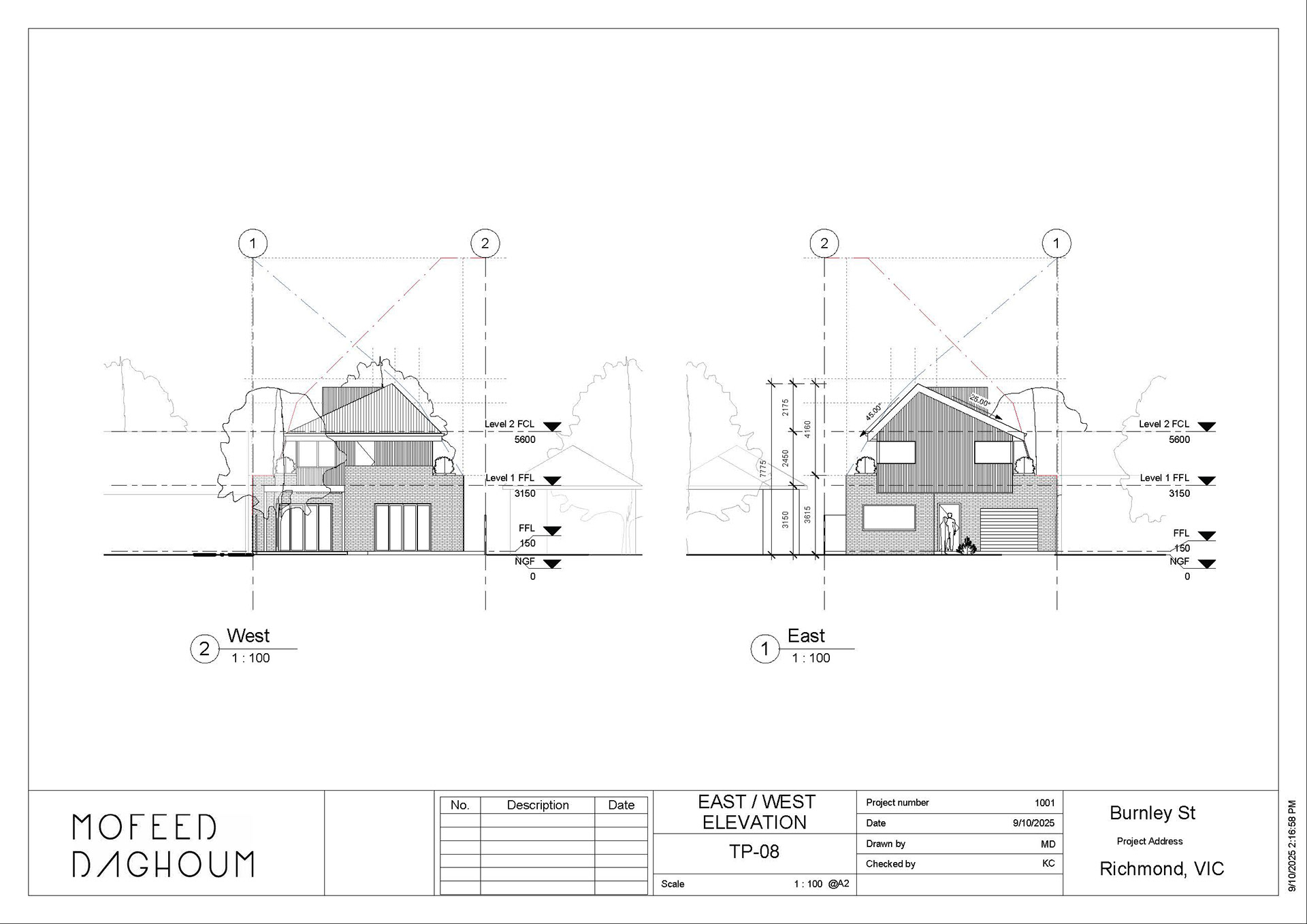
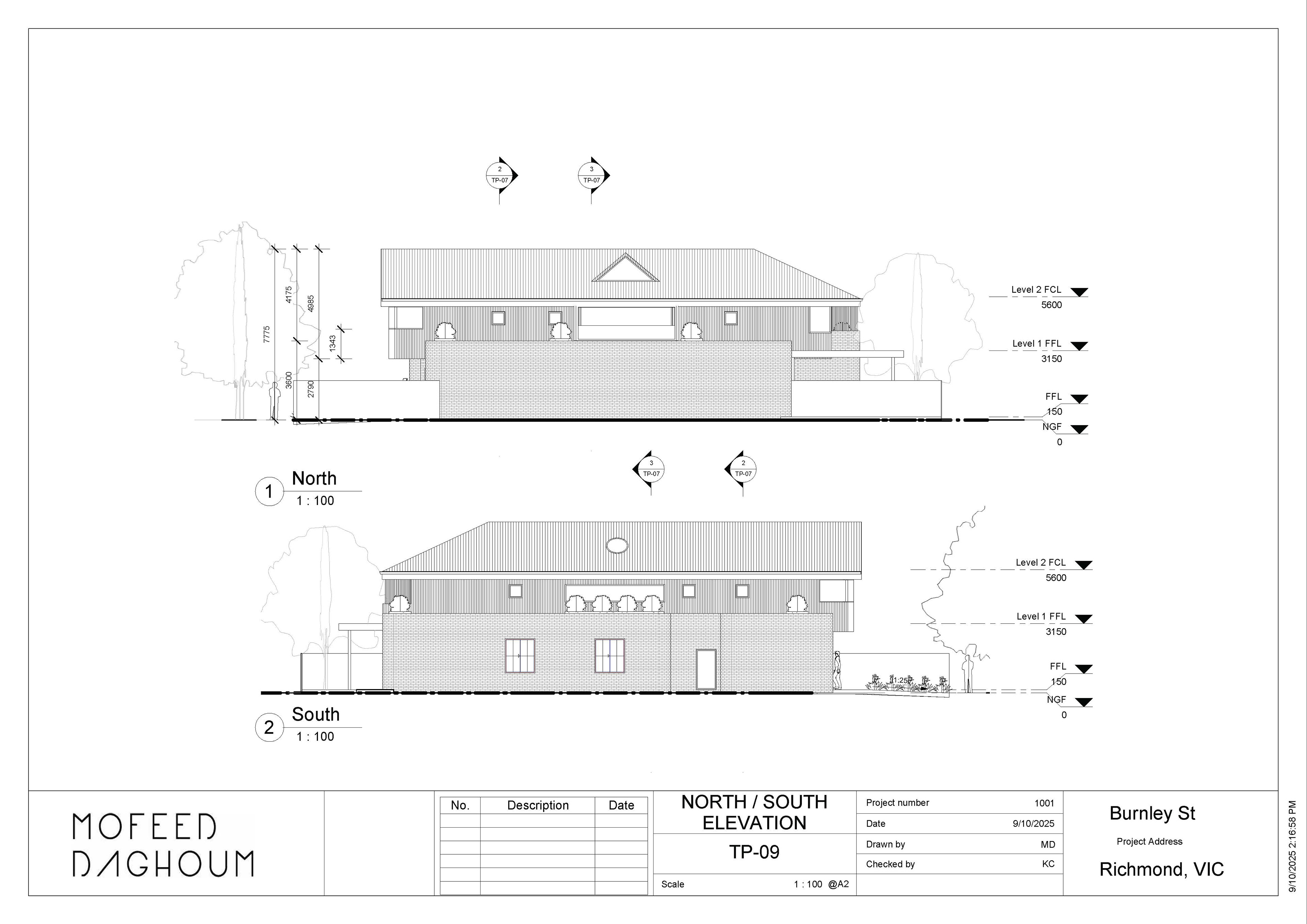
This project explores the design of a contemporary two-storey townhouse developed as a case study in Livable Housing Design within the Australian context. The proposal responds to council guidelines by presenting a modern architectural language that is compatible with the surrounding built fabric in scale, setback, and massing—while avoiding direct replication of historic styles.
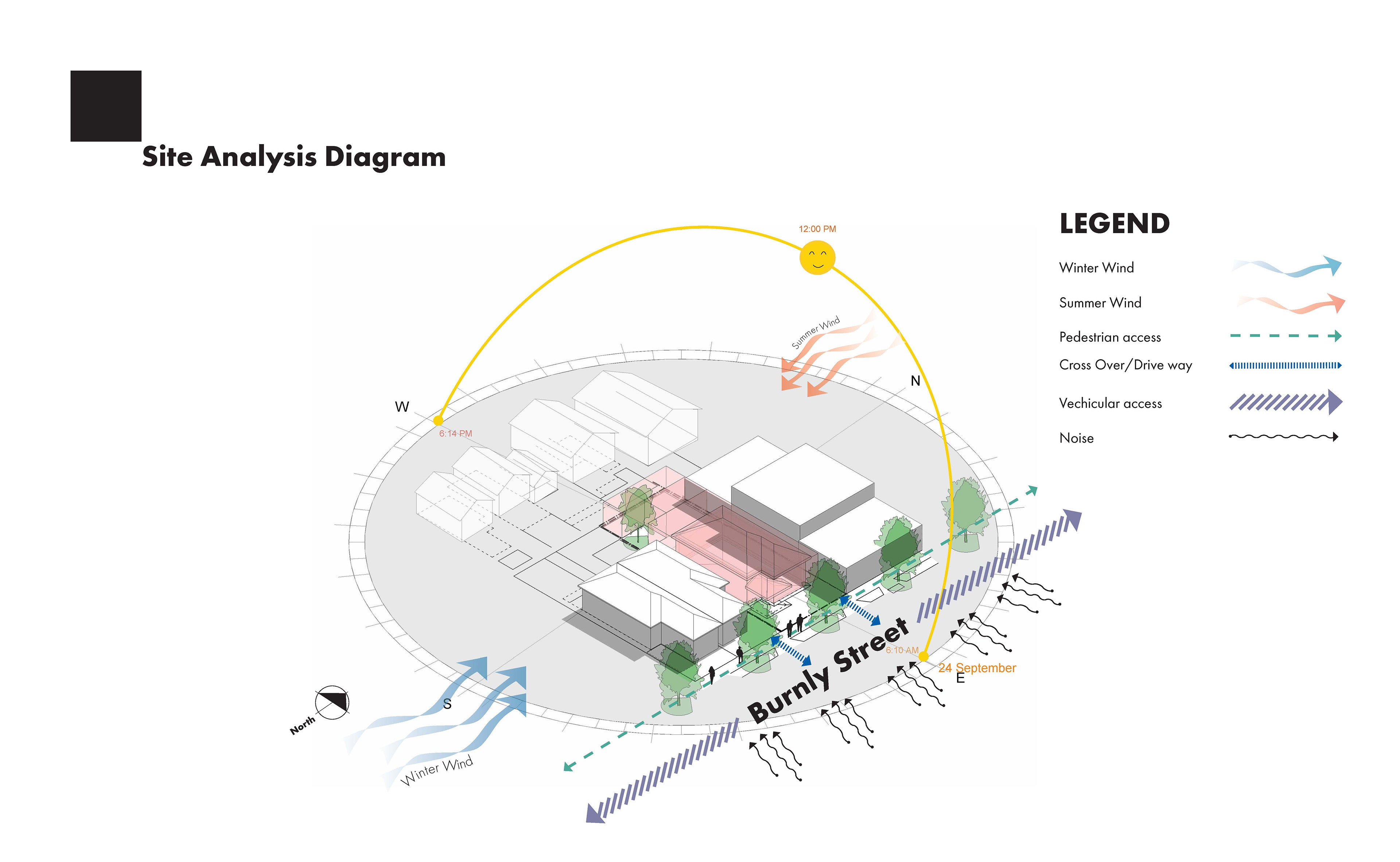
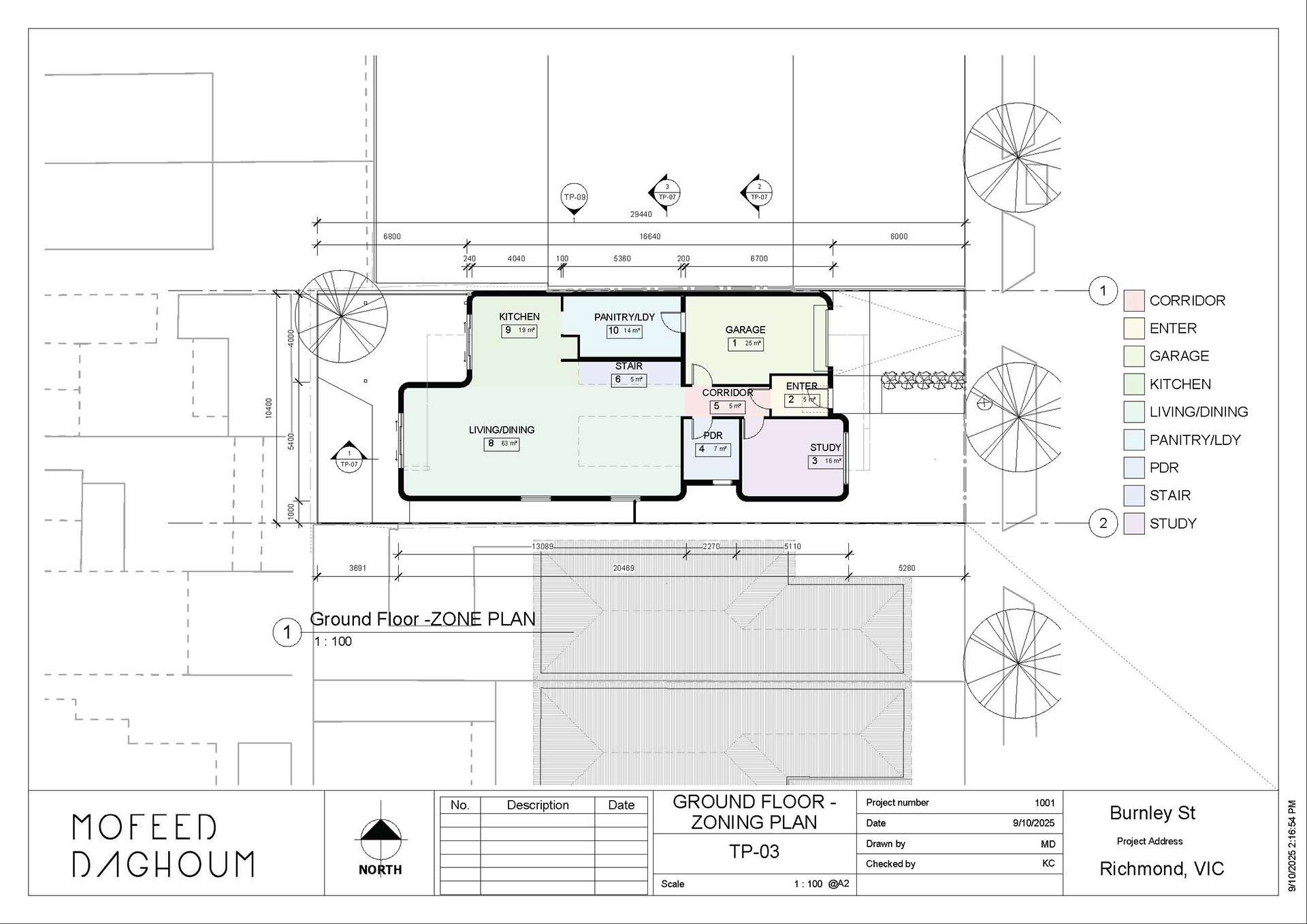
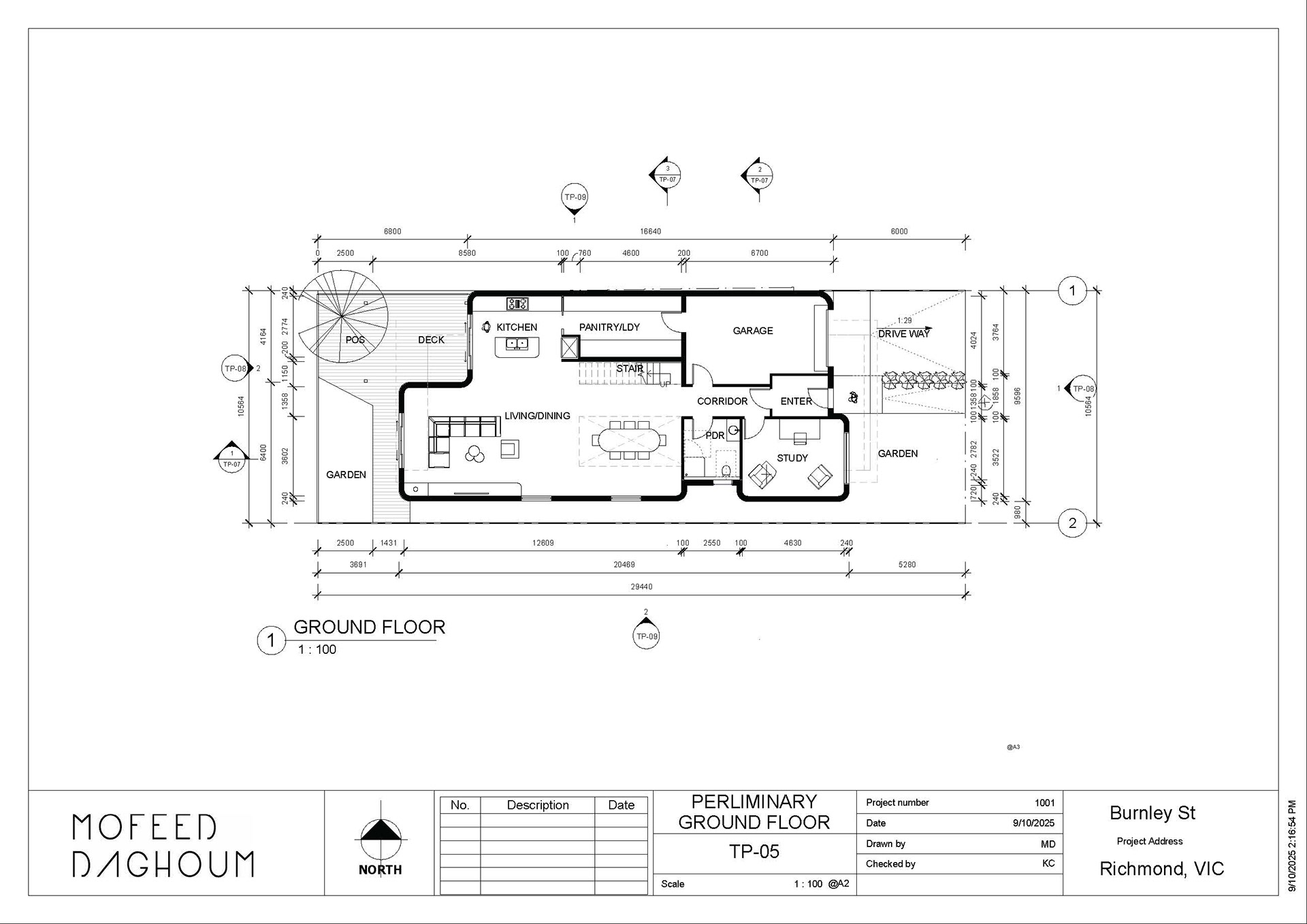
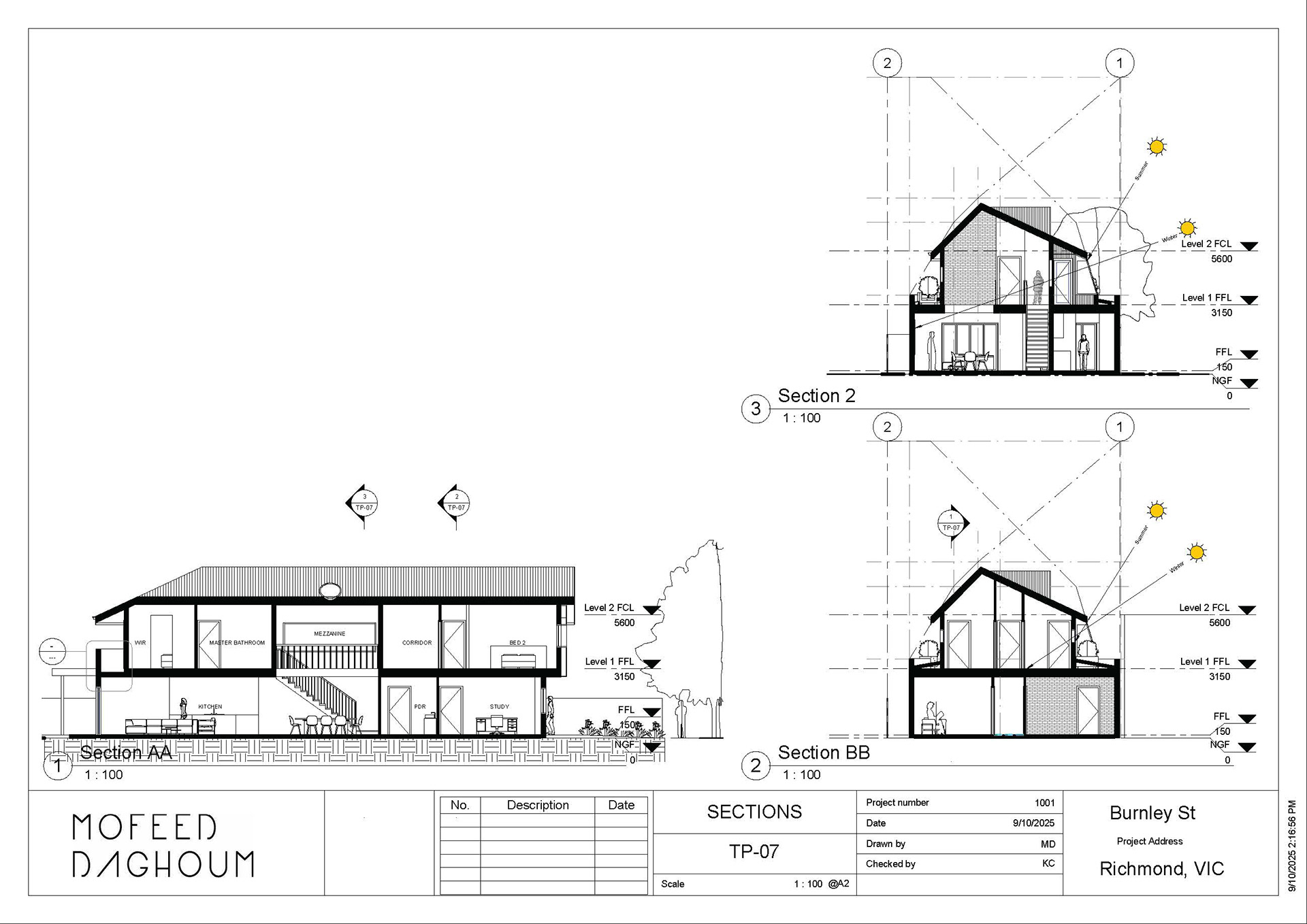
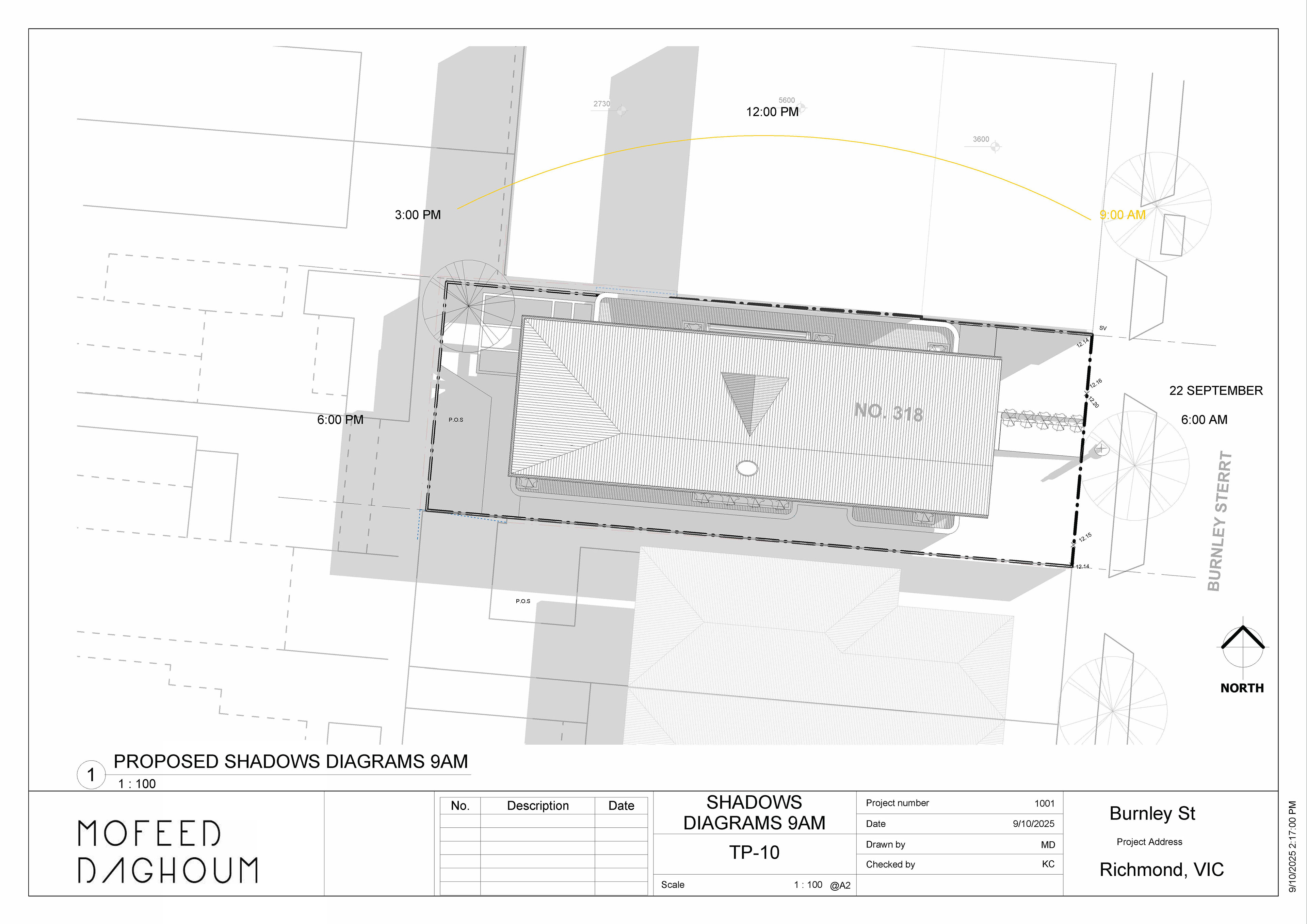
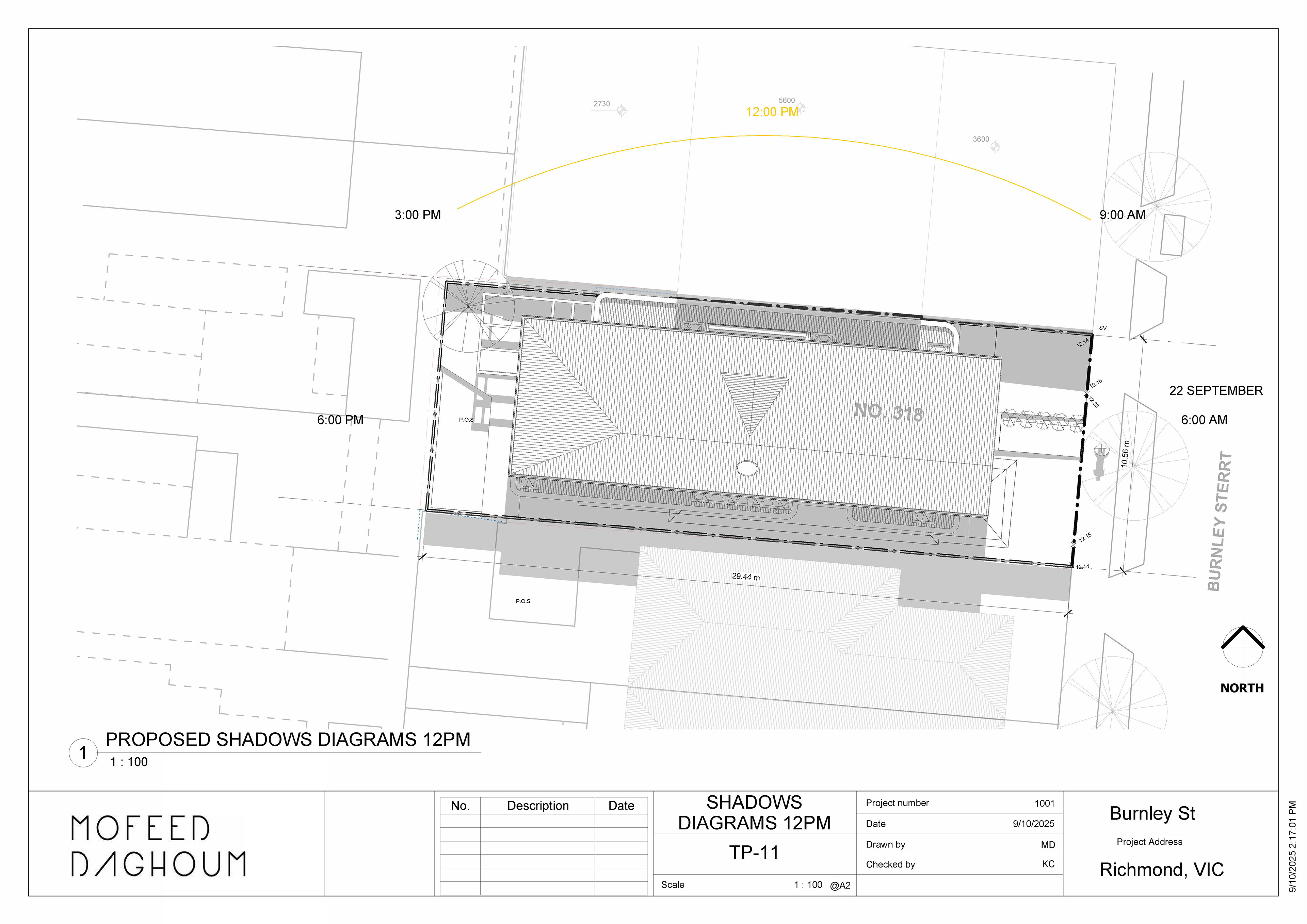
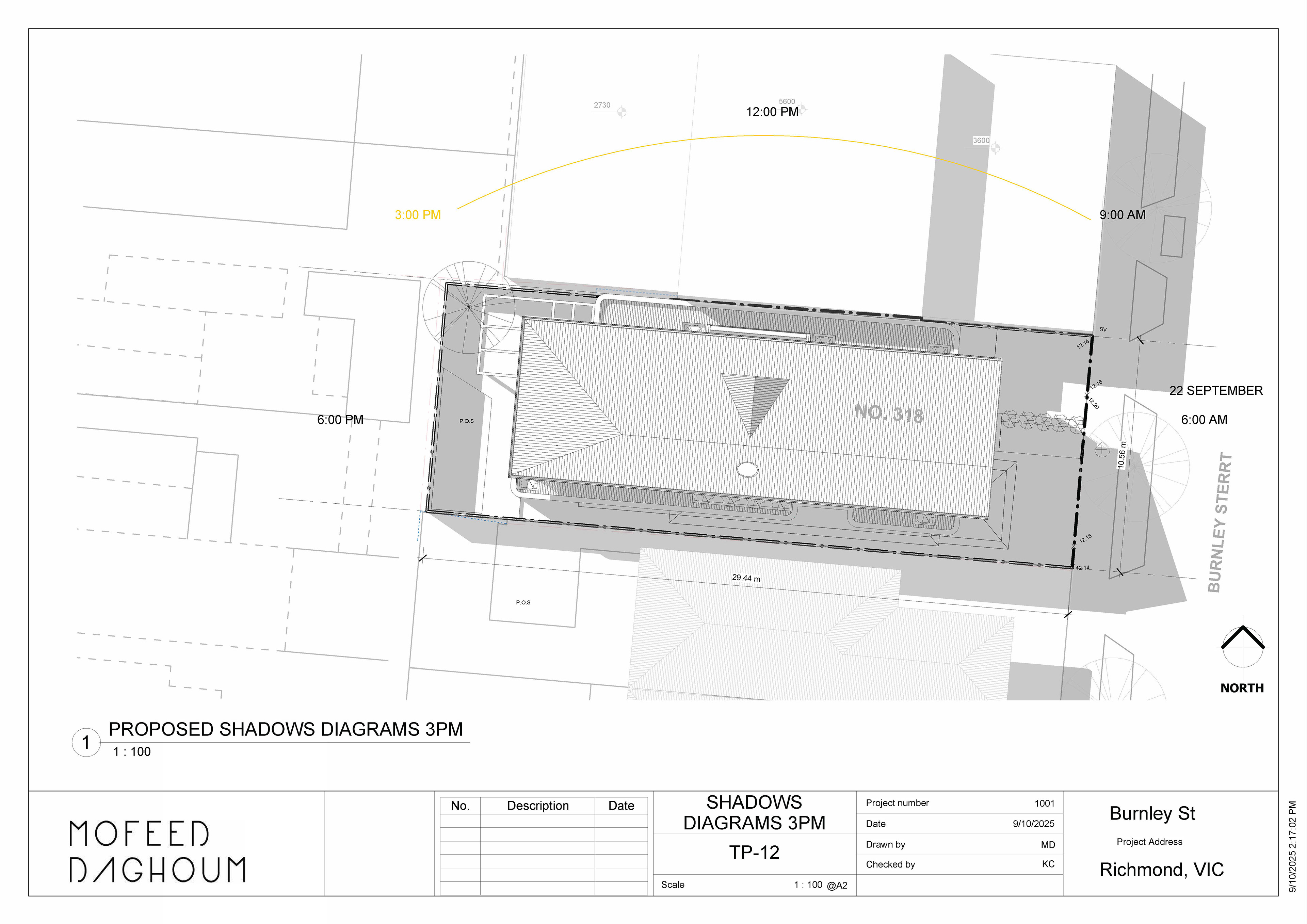
The design prioritises passive solar principles, positioning the open-plan kitchen, living and dining area to the north to maximise winter solar gain and natural daylight. Large glazed openings establish a strong visual and physical connection to a private outdoor entertainment area, partially covered to balance weather protection with solar access. Carefully designed shading devices mitigate summer heat gain while maintaining internal comfort.
Livability and adaptability are central to the planning strategy. A continuous, step-free path of travel connects the street and parking areas to a sheltered, level entrance. The ground floor incorporates wide corridors, generous door clearances, and a flexible study designed to function as a future bedroom. The adjacent bathroom includes a step-free shower and compliant circulation spaces, allowing the home to adapt to changing mobility needs over time.
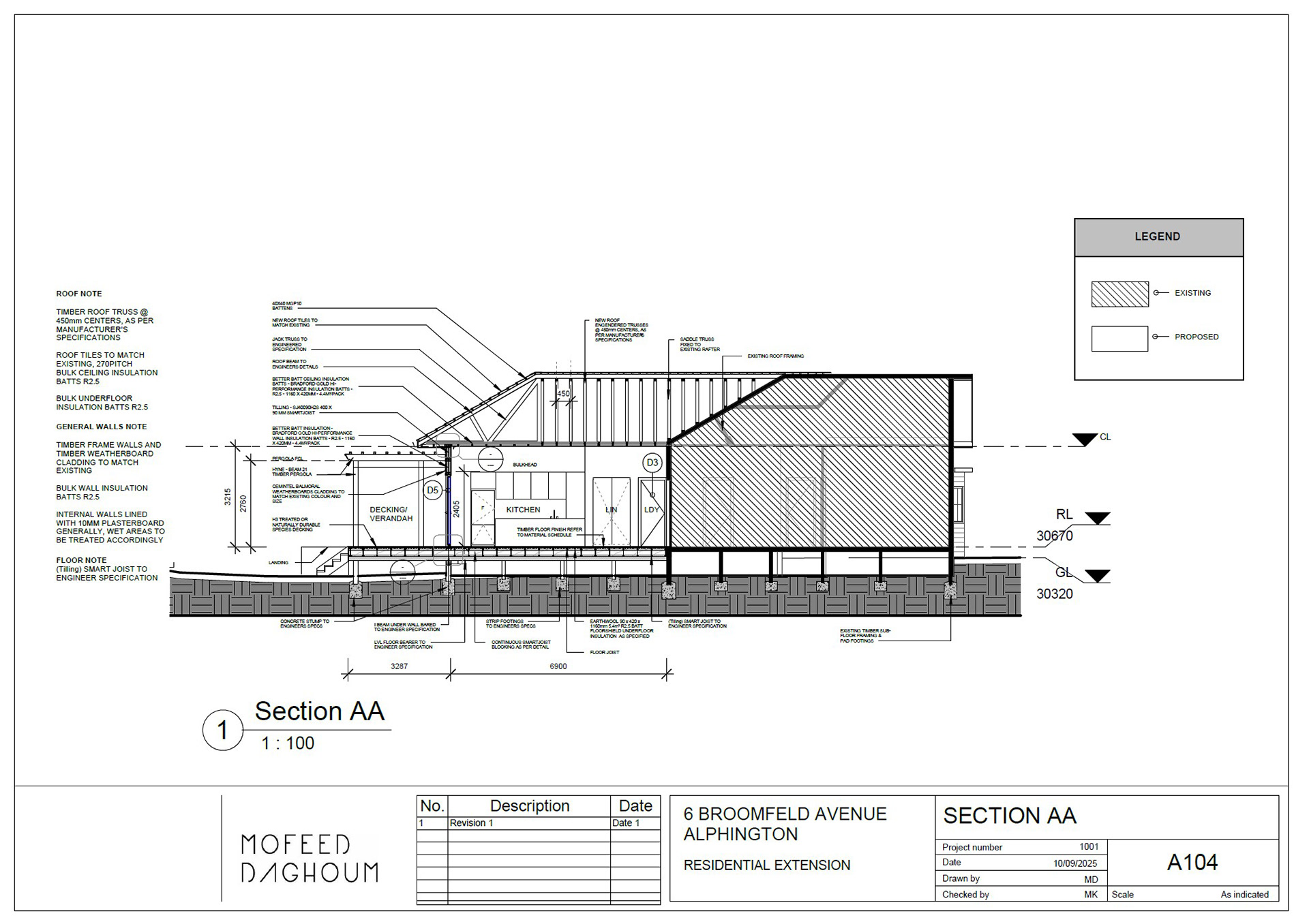
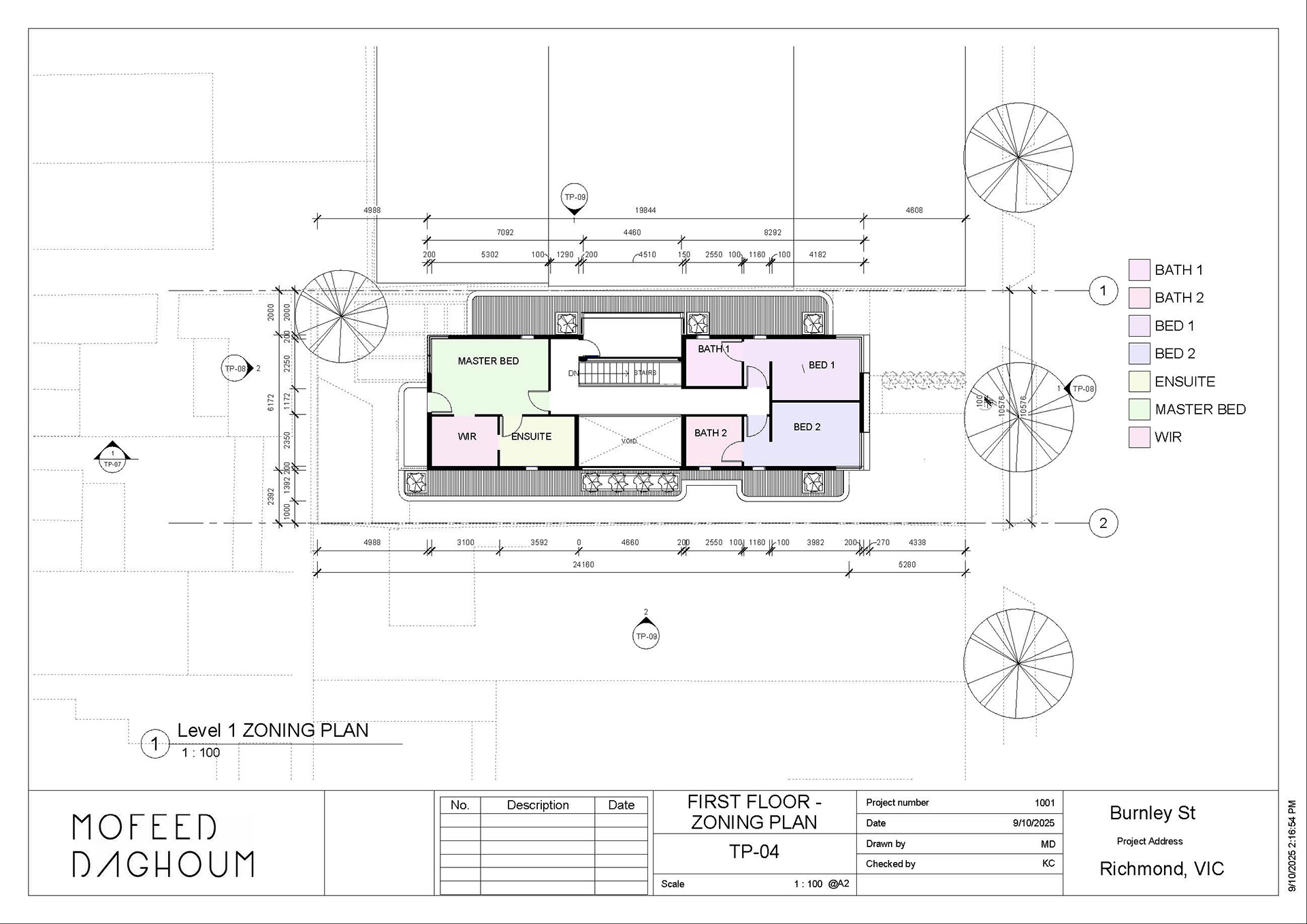
Construction systems reflect contemporary residential practice, including a stiffened raft slab at ground level, engineered timber floor trusses to the first floor, and lightweight framed wall systems. Material selection and façade articulation emphasise depth, proportion, and controlled openings, contributing to a cohesive yet distinctive street presence.
The outcome is a compact, light-filled family home that integrates sustainability, accessibility, and contextual sensitivity into a resolved architectural form.
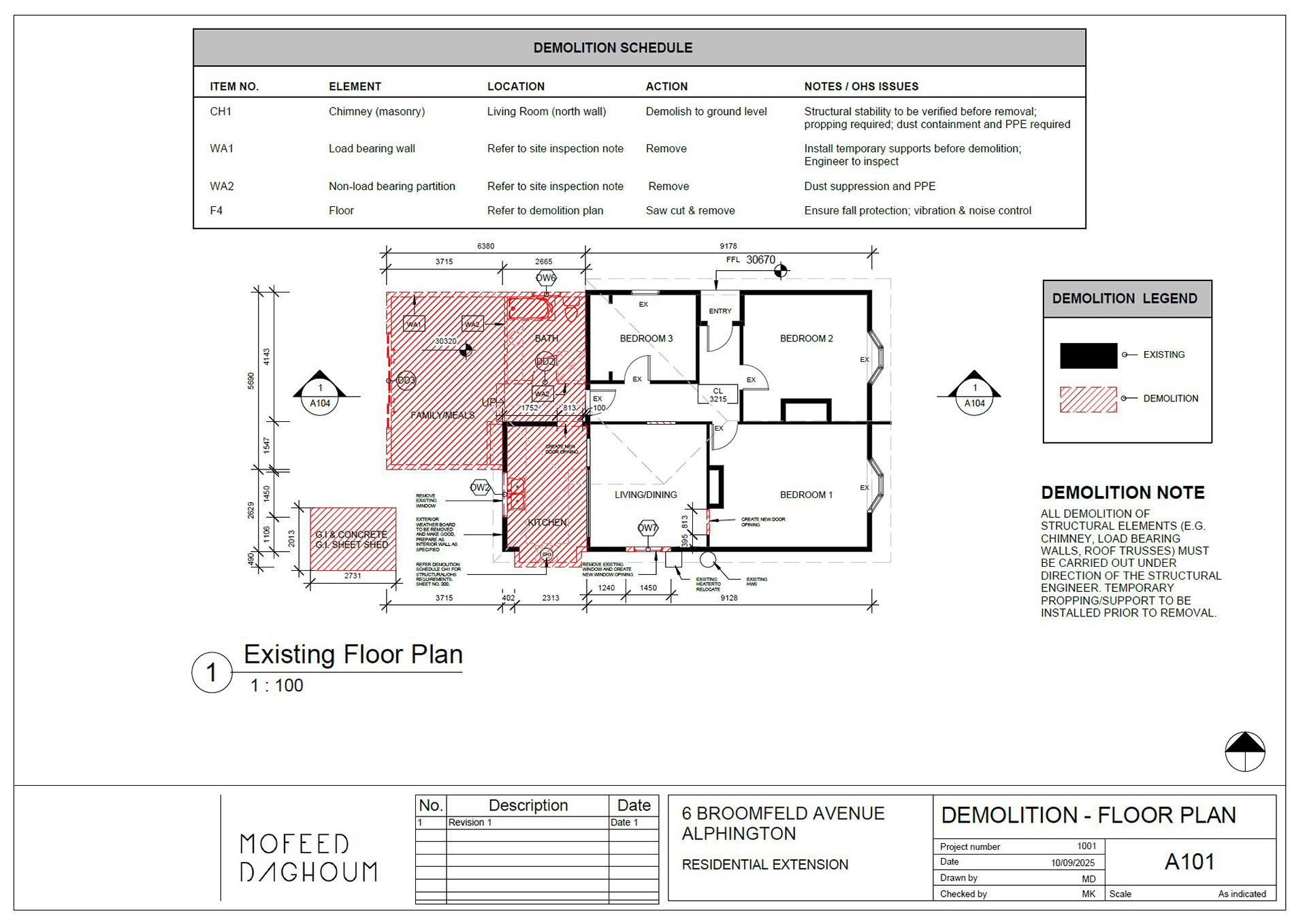
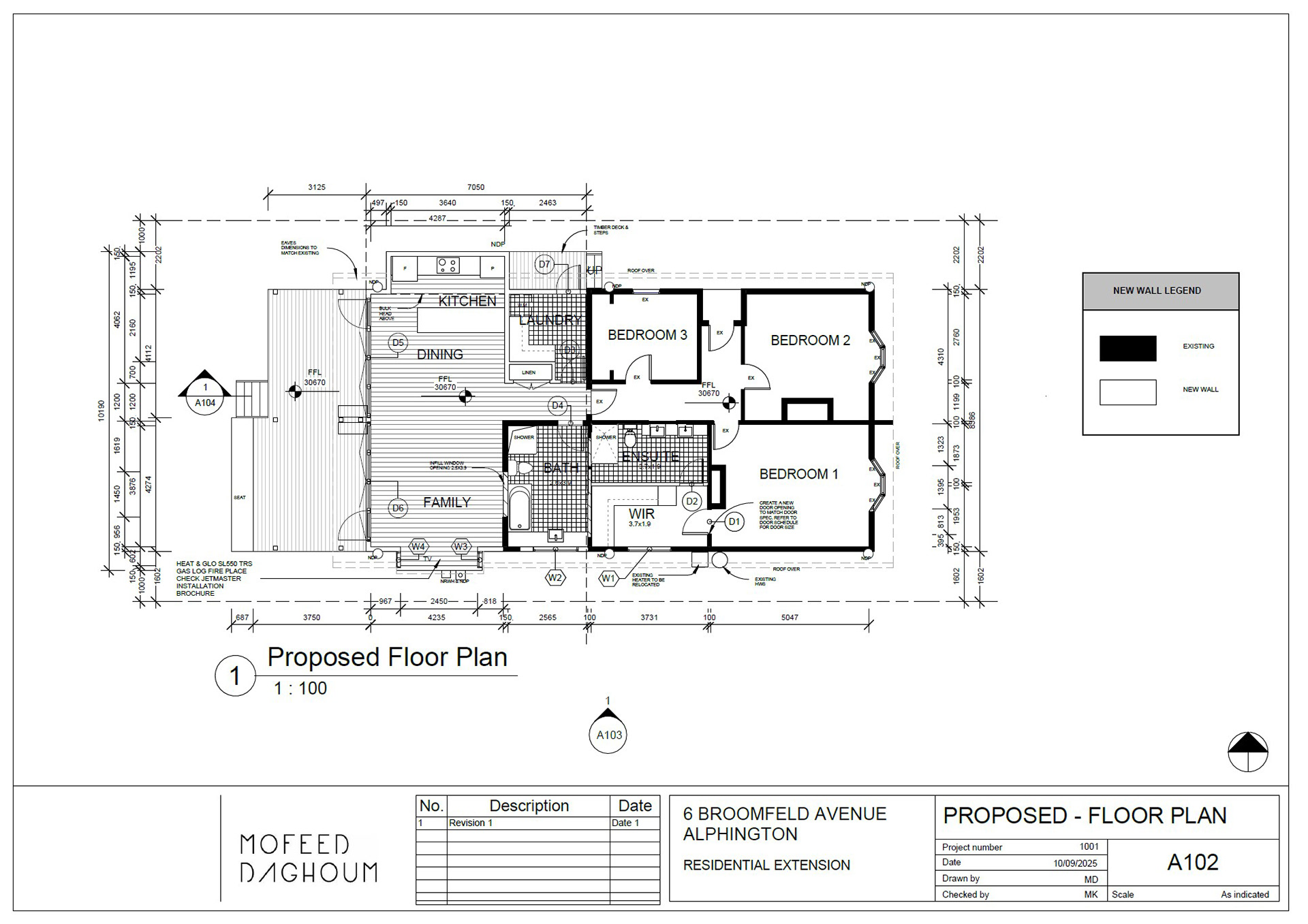
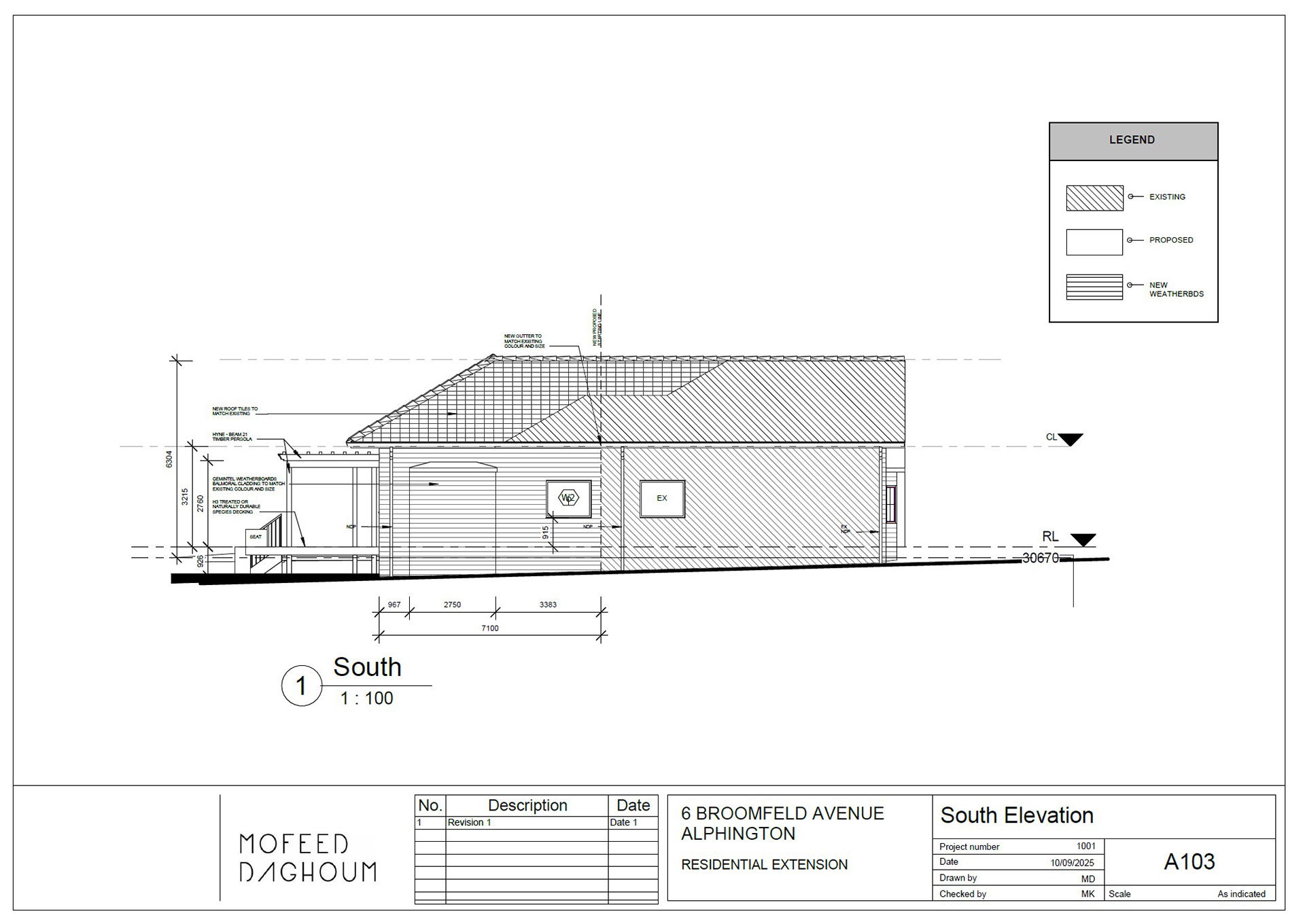
Alteration & Addition to Dwelling